


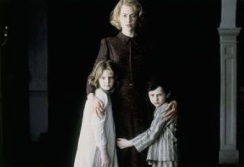
Si te pensabas que hoy somos intensos con las selfies y los recuerdos, déjame contarte algo: los victorianos nos ganan por goleada. En serio. En pleno siglo XIX, la gente tenía una sed emocional tan fuerte por no soltar el pasado que se aferraban a los recuerdos con uñas, dientes… y cámaras.
Sí, cámaras. Porque en esa época apareció una joyita tecnológica llamada daguerrotipo, básicamente la primera técnica para sacar fotos como tal. Y claro, si vivías en una era donde los retratos pintados salían más caros que un iPhone, esto fue un golazo. Al fin podían «inmortalizar» a sus seres queridos, aunque algunos ya no estuvieran… tan vivos.
Ahí es donde la cosa se pone un poquito espeluznante.
Resulta que en plena era victoriana se pusieron de moda dos prácticas fotográficas que hoy, honestamente, nos harían dar un escalofrío (o ganas de ver una peli de terror con mantita y luces prendidas).
La primera: las “madres escondidas”. Sí, así como suena. Eran fotos de bebés o niños pequeños que no paraban de moverse (porque, bueno, niños), y para que salieran quietitos en la foto, sus mamás se escondían detrás de cortinas, velos o muebles, sosteniéndolos. El resultado: una foto del nene y una figura sombría detrás. Un poco tierno, un poco “el conjuro”.
La segunda: la fotografía post mortem. Y sí, es lo que piensas. Cuando alguien moría (especialmente niños, que lamentablemente era muy común), se les sacaba una foto como recuerdo final. A veces los retrataban dormidos. Otras, los hacían posar como si estuvieran vivos, rodeados de sus seres queridos. Una última imagen para no olvidar jamás.
Para nosotros puede sonar fuerte. Pero para ellos era algo profundamente íntimo. En un mundo donde la muerte era parte del paisaje cotidiano, recordar así a los que se iban era una forma de mantenerlos cerca, de aferrarse a algo, de no dejar que el olvido ganara.
Así que no, no éramos los únicos obsesionados con capturar momentos. Solo que antes lo hacían con un poco más de drama, un toque de misterio… y bastante menos filtro.
@María José Luque Fernández
@Imagen Pinterest
<<<<>>>>
TRADUCCIÓN AL INGLÉS
If you thought we’re intense today with selfies and memories, let me tell you something: the Victorians beat us hands down. Seriously. In the 19th century, people had such an emotional thirst for holding onto the past that they clung to memories with their nails, teeth… and cameras.
Yes, cameras. Because at that time a little technological gem called the daguerreotype appeared — basically the first real photographic technique. And of course, if you lived in an era where painted portraits cost more than an iPhone, this was a game-changer. At last, they could “immortalize” their loved ones, even if some weren’t… exactly alive anymore.
And here’s where it gets a little creepy.
During the Victorian era, two photographic practices became trendy that, honestly, would make us shiver today (or at least want to watch a horror movie with a blanket and all the lights on).
The first: “hidden mothers.” Yes, exactly as it sounds. These were photos of babies or young children who wouldn’t stop moving (because, well, kids), and to get them to stay still in the picture, their mothers would hide behind curtains, veils, or furniture, holding them. The result: a photo of the child with a shadowy figure behind them. A little sweet, a little “The Conjuring.”
The second: post-mortem photography. And yes, it’s exactly what you think. When someone died (especially children, which sadly was very common), they were photographed as a final keepsake. Sometimes posed as if sleeping. Other times, positioned as if still alive, surrounded by their loved ones. One last image so they would never be forgotten.
For us, it might sound intense. But for them, it was deeply intimate. In a world where death was part of the everyday landscape, remembering those who passed this way was a way to keep them close, to cling to something, to not let oblivion win.
So no, we weren’t the only ones obsessed with capturing moments. They just did it with a bit more drama, a touch of mystery… and a lot less filter.
@María José Luque Fernández
@Image Pinterest
Descubre más desde Masticadores
Suscríbete y recibe las últimas entradas en tu correo electrónico.


+ There are no comments
Add yours